/www.gundp.ch/file/3325/messung-bei-bussen-in-kreisel.png)
/www.gundp.ch/file/3324/messung-bei-bussen.png)
When quietness becomes a quality criterion
When new buses are procured, the main focus is often on the drivetrain, energy efficiency or passenger comfort. However, the noise generated by a vehicle during everyday operation deserves equal consideration.
This is particularly important at termini. Buses may remain stationary for several minutes close to residential buildings or other noise sensitive premises. During this time, various technical systems continue operating to ensure passenger comfort and the proper functioning of the vehicle. Depending on the vehicle design, the installed equipment and the way these systems operate, noise emissions can vary considerably.
A method developed from real world experience
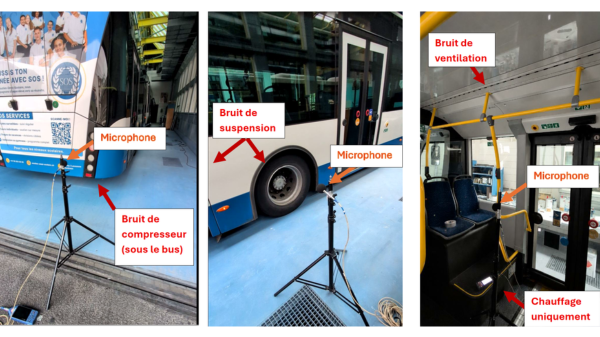
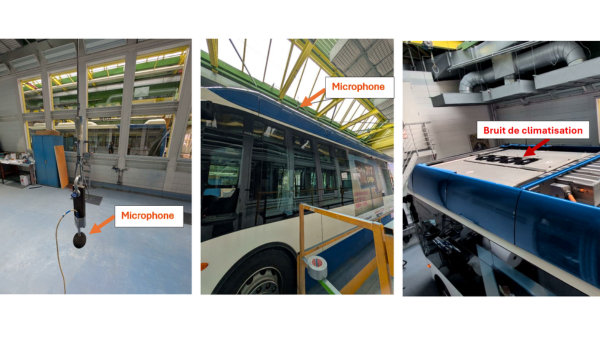
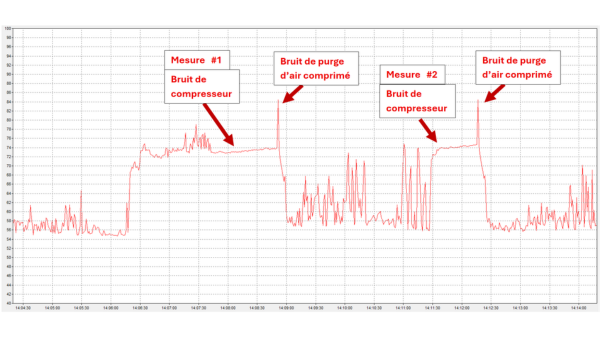
To better understand these differences, G+P carried out studies and acoustic measurements across the VMCV network under real operating conditions. The objective was to identify the situations in which buses generate the highest levels of noise.
The analyses showed that noise is mainly perceived when vehicles arrive or depart, or when certain technical systems are activated. Tonal noise, meaning sounds with a particularly pronounced frequency, and impact noise can be perceived as especially disturbing. The prolonged operation of certain systems also contributes to the overall acoustic environment.
These findings enabled G+P to develop an acoustic assessment method as part of the VMCV procurement process for new buses. The aim is to integrate noise into the tender evaluation from the outset and to compare vehicles on an objective basis.
Turning noise into measurable criteria
Selecting a quiet bus involves more than reviewing a technical specification. Reliable and comparable assessment criteria are essential.
The method developed by G+P transforms what is often perceived as a subjective nuisance into an objective decision making tool. It combines technical information provided by manufacturers, weighted assessment criteria and acoustic measurements carried out during vehicle testing.
Tenderers are required to provide vehicle type approval data, layouts showing internal and external noise sources, as well as information about the heating and air conditioning systems and their various operating modes.
This approach makes it possible to assess the acoustic performance of a vehicle before procurement and to anticipate measures that can reduce noise in sensitive areas.
Addressing noise from the outset
The Swiss Noise Abatement Ordinance (NAO) sets legal noise exposure limits at the windows of noise sensitive buildings. Where termini are located close to residential areas, these requirements may restrict the operation of certain technical systems while buses are stationary. Such restrictions can directly affect the comfort of both passengers and drivers.
Taking noise into account from the tender stage helps address these challenges at an early stage. Acoustic requirements can be integrated into the procurement process, transport operators benefit from an objective basis for decision making, manufacturers are encouraged to develop quieter solutions, and environmental authorities gain robust evidence to support noise protection.
Ultimately, everyone benefits: transport operators, municipalities, local residents and public transport users alike.
Conclusion
Noise generated by buses at termini can create a delicate balance between protecting local residents, complying with the Swiss Noise Abatement Ordinance and meeting operational requirements. Based on studies carried out across the VMCV network, G+P has developed an acoustic assessment method that can be integrated into the procurement of new buses. It enables objective comparison of different vehicle options and helps transport operators select the quietest solutions.
Are you planning to procure new buses or assess the acoustic situation at your termini? G+P supports public authorities, environmental agencies, transport operators and vehicle manufacturers in defining acoustic requirements, developing tender evaluation criteria and carrying out acoustic testing and measurements.
/www.gundp.ch/file/2674/Blog%20und%20LinkedIn.png)
/www.gundp.ch/file/2741/Blog_acoustic-assessment-of-pv-systems-on-motorways.png)
/www.gundp.ch/file/3252/Tracking-road-traffic-noise.png)